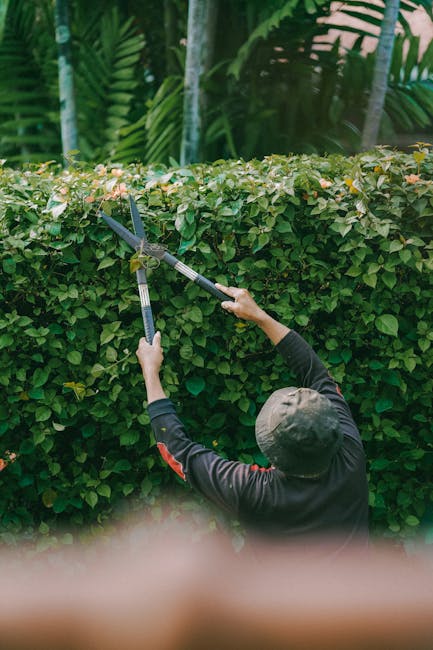
What to know before hiring gardeners near you
Hiring a gardener should make life easier, not add another task to your week. But if you have ever typed gardeners near me and then felt overwhelmed by quotes, promises, and vague "we can do anything" claims, you are not alone. What to know before hiring gardeners near you comes down to a few simple things: the scope of work, the gardener's experience, how pricing works, and whether you can trust them to look after your outdoor space properly.
That last part matters more than people think. A good gardener can keep a lawn healthy, tame overgrown beds, protect plants through the seasons, and save you hours of heavy lifting. A poor one can leave you with patchy results, messy timings, and a bill that somehow feels larger than the job. Truth be told, the difference usually shows up before anyone even picks up a rake.
Below, you will find a practical guide to choosing local gardening help with confidence: what to check, what to ask, where problems tend to appear, and how to make a sensible decision without overcomplicating it.
Expert summary: The best way to hire a gardener is to compare like for like, confirm exactly what is included, check insurance and safety basics, and agree communication before work starts. Simple. Not flashy, but it works.
Table of Contents
- Why What to know before hiring gardeners near you Matters
- How What to know before hiring gardeners near you Works
- Key Benefits and Practical Advantages
- Who This Is For and When It Makes Sense
- Step-by-Step Guidance
- Expert Tips for Better Results
- Common Mistakes to Avoid
- Tools, Resources and Recommendations
- Law, Compliance, Standards, or Best Practice
- Options, Methods, or Comparison Table
- Case Study or Real-World Example
- Practical Checklist
- Conclusion
- Frequently Asked Questions
Why What to know before hiring gardeners near you Matters
Garden work looks straightforward from the street. A hedge gets cut, weeds disappear, lawn trimmed, done. In practice, there is more going on than most people expect. Different gardens need different care, and not every gardener offers the same level of expertise, equipment, or reliability.
This is why it helps to understand the basics before you hire someone local. You are not just buying time with a mower. You are paying for judgement, consistency, and the ability to deal with real-world garden problems: uneven growth, poor soil, heavy pruning, awkward access, waste removal, and seasonal timing that can make or break the results.
If you skip the prep, the risks are fairly ordinary but annoying. Jobs may be rushed. Plants may be cut back at the wrong time. Clippings may be left behind. Or you may find that the quote only covered half the work you thought was included. No drama, just frustration.
There is also a trust element. A gardener will often work around your home, sometimes while you are in, sometimes while you are out. That means communication, punctuality, and professionalism matter just as much as technical skill. In our experience, that part often tells you more than a polished website ever will.
How What to know before hiring gardeners near you Works
Hiring a gardener locally usually starts with a request for a quote or an initial visit. You explain what needs doing, share photos if needed, and the gardener assesses the job. Depending on the size of the garden, they may price it as a one-off visit, an hourly job, or a regular maintenance arrangement.
For simple tasks, such as lawn mowing or weeding, the process may be quick. For larger gardens, overgrown spaces, or projects that involve hedge cutting, clearing, or planting, expect more discussion. The better the gardener, the more they will want to understand access, waste, surfaces, pets, and any tricky spots before giving a price.
After that comes the practical part: agreeing the scope, timing, and payment terms. This is where a lot of misunderstandings happen, so it is worth slowing down for a minute. What exactly is included? Will green waste be taken away? Are materials included or extra? Is the quote fixed, or could it change if the work takes longer?
It sounds basic, but these are the things that make the job smooth. A tidy quote usually leads to a tidy garden. Usually.
Key Benefits and Practical Advantages
Hiring the right gardener is about more than convenience, although let's face it, saving your Saturday afternoon is a nice perk. The real benefits are often longer term and more practical.
- Better plant health: A knowledgeable gardener knows when to prune, feed, deadhead, and leave things alone.
- Less wasted effort: A local professional can tackle jobs efficiently because they bring the right tools and a routine.
- More usable outdoor space: Regular maintenance keeps paths clear, beds tidy, and lawns manageable.
- Fewer costly mistakes: Poor pruning or careless strimming can damage plants, fences, and lawn edges.
- Seasonal planning: A good gardener helps you stay ahead of growth spurts, frost, rain, and dry spells.
There is also a less obvious benefit: momentum. Once a garden is under control, it gets easier to keep it that way. That can turn a once-neglected space into somewhere you actually want to sit with a cup of tea on a bright morning, instead of staring at it and thinking, Right, where do I even start?
If you want to understand how a service is structured before you commit, it can help to review pricing and quote guidance alongside the rest of your options. The clearer the pricing model, the easier the choice.
Who This Is For and When It Makes Sense
This kind of service suits a wide range of people, not just homeowners with large gardens. In fact, some of the most common customers are people with fairly ordinary needs and not enough time.
- Busy households that want regular lawn and border care
- Older homeowners who prefer help with heavy or repetitive tasks
- Landlords who need outdoor areas kept presentable between tenancies
- People with poorly maintained gardens that need a reset
- Anyone preparing a property for sale, photos, or a special event
- Residents who need occasional seasonal help rather than ongoing maintenance
It also makes sense when you have jobs that are physically awkward or simply not worth doing alone. Clearing brambles, lifting waste, cutting tall hedges, or dealing with a wet, slippery patch after a storm can turn into a half-day headache very quickly. A local gardener with the right equipment can make short work of it.
Sometimes the question is not whether you need a gardener. It is whether you need a one-off visit, a short run of catch-up work, or a regular maintenance schedule. That distinction matters more than people realise.
Step-by-Step Guidance
If you want a sensible way to hire locally without second-guessing yourself, use this process.
1. Define the job clearly
Write down exactly what you want done. Be specific. "Tidy the garden" is too vague. "Mow lawn, weed front beds, trim back two hedges, remove clippings" is much better. If you have photos, send them. If there are access issues, mention them early.
2. Decide what success looks like
Are you after a quick tidy, a full garden recovery, or ongoing maintenance? A gardener needs that context to quote properly. Otherwise, you may receive a price that sounds fine until you realise it only covers an hour and a half of work.
3. Ask about experience with your type of garden
A gardener who excels at neat lawns may not be the best fit for a wildlife-heavy garden, a steep sloped plot, or a garden full of mature shrubs. Ask whether they have handled similar jobs before. Not to interrogate them, just to make sure they are a fit.
4. Check what is included in the quote
Confirm labour, travel if relevant, waste removal, materials, plant supply, and whether VAT applies if it is relevant to the business structure. A quote should not feel like a puzzle box.
5. Confirm insurance and safety basics
Ask whether they carry public liability insurance and how they manage equipment safety, site hazards, and waste handling. If they work near fences, windows, paths, or children's play areas, this matters quite a bit.
For a closer look at these practical safeguards, see the site's insurance and safety information and health and safety approach.
6. Agree timing and communication
Will they arrive on a set day each week? Will they text if running late? What happens if weather gets in the way? Garden work is weather-sensitive, and a little flexibility helps everyone.
7. Check payment terms before work starts
Know when payment is due, what methods are accepted, and whether deposits are needed for larger jobs. If a business explains this clearly, that is usually a good sign. You can also look at payment and security details for extra reassurance.
8. Review the result while the job is fresh
Do a quick walk-around when the work is finished. Check the obvious things first: cut quality, clean-up, gate closure, waste removal, and whether agreed items were completed. It is easier to resolve small issues immediately than two weeks later when the grass has already grown again.
Expert Tips for Better Results
There are a few small things that tend to separate a decent experience from a genuinely good one.
- Send photos before the quote: It helps reduce vague estimates and awkward surprises.
- Ask for priorities: If budget is tight, ask what should be done first. A sensible gardener will tell you.
- Think seasonally: Some jobs are best done at certain times of year, especially pruning and planting.
- Be realistic about access: Narrow side passages, heavy pots, and no parking can affect time and cost.
- Keep a short notes list: A quick list of "do not touch" plants or preferred mowing heights can save confusion.
One useful habit is to treat your first booking as a trial. Not a test in a dramatic sense, just a chance to see how the gardener communicates, how tidy they are, and whether their work matches the conversation. By the second visit, you will know a lot more.
Also, do not be shy about saying what you want. People sometimes worry they are being difficult for asking where clippings will go or how often a hedge should be cut. You are not being difficult. You are being sensible.
Common Mistakes to Avoid
Most problems with local garden hiring come from a few predictable mistakes. None of them are rare.
Choosing purely on price
The cheapest quote can be tempting, especially for a garden that looks like it has been left in the rain for a month or two. But price alone does not tell you whether the gardener is experienced, insured, or thorough. Sometimes low pricing means the work is too vague.
Not defining the scope
If you do not say exactly what you want, the finished job may technically match the brief and still leave you disappointed. "Tidy up" means different things to different people. Annoying, but true.
Ignoring waste removal
Green waste can be bulky. Branches, grass cuttings, hedge trimmings, and soil sacks add up fast. If disposal is not included, ask what happens to it. You do not want bags left in the corner of the drive for three days in damp weather.
Skipping insurance checks
Even careful professionals can accidentally damage a fence panel, a paving slab, or a window. Insurance is not about expecting problems. It is about being prepared if one crops up.
Hiring without checking reviews or references in context
Not every positive comment tells you much. Look for reviews that mention punctuality, tidiness, responsiveness, and whether the gardener actually completed the job as agreed. A dozen vague "great guy" comments are less useful than two detailed, practical ones.
Tools, Resources and Recommendations
You do not need a garden shed full of specialist gear to hire a good gardener, but a few simple resources help the process along.
- Phone photos: Take pictures from several angles so quotes are based on reality, not guesswork.
- A written job list: A short list keeps everyone on the same page.
- Garden measurements: Approximate lawn size, hedge length, or bed areas can improve pricing accuracy.
- Seasonal notes: Mention plants that are delicate, newly planted, or especially important to you.
- Access details: Gate codes, parking limits, and narrow entrances are worth noting in advance.
If you want to understand more about the business behind the service, the about us page is a useful place to learn how a provider positions itself and what values it emphasises. For direct questions, the contact page is the obvious next stop.
There are also wider trust pages worth checking before you book, especially if you care about data handling, fairness, and support. That includes the terms and conditions, privacy policy, and the complaints procedure if you ever need clarity on how issues are handled.
Law, Compliance, Standards, or Best Practice
Gardeners do not all operate the same way, but there are a few sensible UK expectations that are worth keeping in mind.
For domestic work, good practice usually means clear communication, safe equipment use, sensible disposal of green waste, and respect for property boundaries and neighbours. If the gardener brings powered tools, ladders, or cutting equipment, they should be working in a way that reduces avoidable risk. That is basic professionalism, not a bonus.
If you are comparing providers, look for signs that they take health and safety seriously, particularly around trip hazards, cutting tools, manual handling, and protecting surfaces. If a company has a written approach to insurance and safety, that is a strong trust signal. Likewise, if sustainability matters to you, it is fair to ask how garden waste is handled and whether green materials are reused or recycled where appropriate. You can explore the site's recycling and sustainability stance for more context.
Also, if you are sharing personal details for booking or payment, the business should explain how that information is stored and used. Nothing complicated there, just normal transparency. The same goes for accessibility and fair customer treatment. If you need support accessing information or making contact, look at the provider's accessibility statement.
One last point: if a job involves unexpected hazards, like rotten decking, unstable walls, or buried utilities you were not aware of, stop and reassess. A cautious gardener should not rush through a risk they can see. Good judgement is part of the job.
Options, Methods, or Comparison Table
Not every gardener hiring arrangement is the same. Here is a simple comparison to help you think it through.
| Option | Best for | Pros | Watch-outs |
|---|---|---|---|
| One-off tidy-up | Overgrown gardens, seasonal resets, pre-sale prep | Fast improvement, flexible, good for urgent jobs | May not solve ongoing maintenance |
| Regular maintenance visit | Lawns, borders, hedge trimming, repeat care | Predictable, easier to budget, keeps things under control | Needs reliable scheduling and clear scope |
| Project-based work | Replanting, redesign, clearing, restorative work | Good for bigger changes and transformation | Can require more planning and materials |
| Hourly gardening help | Small mixed jobs, flexible support | Simple for short tasks, adaptable | Can become expensive if the scope is unclear |
If you are unsure which method fits, start with the smallest realistic job and scale up. That is often the easiest way to avoid overcommitting. A good local gardener should be able to help you decide, not just quote and disappear.
Case Study or Real-World Example
Imagine a semi-detached home with a back garden that has been left alone through autumn and winter. The lawn is patchy. The border weeds are knee-high in places. One hedge has started leaning a bit, and there are two bags of old clippings sitting by the shed because nobody quite knew what to do with them.
The homeowner could ask for a general tidy-up and hope for the best. Or they could do it properly: take photos, list the jobs, note that access is through a narrow side gate, and mention that they want waste removed. The gardener arrives knowing the job is likely to take several hours, brings the right tools, and gives a clear breakdown of what will be tackled first.
That small amount of preparation saves time on both sides. The homeowner gets a cleaner result, the gardener avoids surprises, and the job finishes with less back-and-forth. Not glamorous. Just efficient. And efficiency, in a garden, is underrated.
A detail people often miss is timing. If the work is done early in the morning after rain, the garden may look different by lunchtime. Soil softens, grass settles, and cuttings can dry out. That is normal, not a sign of poor work. Knowing what a finished garden should look like after a few hours helps you judge fairly.
Practical Checklist
Use this checklist before you book anyone local.
- Define the job: one-off tidy, regular maintenance, or project work.
- Take clear photos: wide shots and close-ups of problem areas.
- List priorities: what must be done, what would be nice, what should not be touched.
- Ask what is included: labour, waste removal, materials, and travel if relevant.
- Confirm experience: with lawns, hedges, planting, clearance, or whatever your garden needs.
- Check insurance and safety: especially for powered tools and larger jobs.
- Agree timing: dates, arrival windows, and weather flexibility.
- Confirm payment terms: when payment is due and how it should be made.
- Review the company information: about pages, terms, privacy, and complaints handling.
- Walk through the result: make sure the finished work matches the brief.
If you are at the stage of getting quotes, the next sensible move is to compare scope as much as price. That alone saves a lot of grief.
Conclusion
What to know before hiring gardeners near you is really about making a calm, informed choice. If you define the job properly, ask the right questions, and check the basics around pricing, safety, and communication, you massively improve the odds of a good result. The best local gardener will make the whole process feel straightforward. The wrong one will make a small job feel oddly stressful.
So keep it simple. Be clear about what you need, ask for what matters, and trust the professionals who answer plainly. A garden is one of those spaces that rewards steady care, and a good hire can turn an overgrown chore into something you actually enjoy again.
Get a free quote today and see how much you can save.
And if you are still weighing it up, that is fine too. A thoughtful decision now usually means a quieter, better-looking garden later on, and that is worth a great deal.
Frequently Asked Questions
What should I ask before hiring a gardener near me?
Ask what is included in the quote, whether they have insurance, how they handle waste, what experience they have with your type of garden, and how payment works. Those questions cover most of the common problems before they start.
How do I know if a gardener is reliable?
Look for clear communication, punctual replies, a sensible quote, and a willingness to explain the work in plain English. Reliability often shows up in the small things before the first visit even happens.
Should I choose the cheapest quote?
Not necessarily. A very low quote can mean limited scope, rushed work, or hidden extras. Compare what each quote actually includes rather than focusing on the price alone.
Do gardeners normally remove garden waste?
Some do, some do not, and some charge extra for it. Always ask. Waste removal can change the total cost quite a bit, especially after hedge trimming or clearance work.
What kind of insurance should a gardener have?
For domestic garden work, public liability insurance is commonly expected. It helps protect against accidental damage or injury issues. You should still ask how they work and what cover they carry.
How often should I book regular garden maintenance?
That depends on the size of the garden, how fast it grows, and how tidy you want it to stay. Some people need weekly visits in peak season, while others only need occasional seasonal help.
Can I hire a gardener for just one job?
Yes, absolutely. Many people book one-off jobs such as hedge cutting, lawn recovery, weeding, or a seasonal tidy-up. You do not need to commit to regular visits if that is not what you want.
What is the difference between a gardener and a landscaper?
A gardener usually focuses on maintenance, care, and routine outdoor work. A landscaper more often handles bigger changes such as redesign, hard landscaping, paving, or structural garden features. There can be overlap, though.
Should I prepare the garden before the gardener arrives?
A little prep helps. Move small items, unlock gates, and note any fragile plants or areas to avoid. You do not need to overdo it, but a tidy starting point usually makes the visit smoother.
What if I am not happy with the work?
Raise it calmly and promptly. Good businesses usually have a complaints process or a clear way to resolve issues. The sooner you say something, the easier it is to put right.
Are garden quotes usually fixed or hourly?
They can be either. Small, clear jobs are often fixed-price, while broader or uncertain work may be charged hourly. Make sure you know which method is being used before work starts.
Is it worth using a local gardener instead of a national service?
For many people, yes. A local gardener often brings better area knowledge, quicker response times, and a more personal service. That said, the most important thing is still quality and trust, not just postcode proximity.